
You know that foggy feeling when your brain feels like a laptop running too many tabs? That’s mental fatigue, and it’s more common than most of us admit.
Between deadlines, phone notifications, and endless information overload, our minds rarely get the quiet they need. The good news is that you can retrain your brain to rest and refocus through simple yet effective calming brain exercises.
These activities aren’t just relaxing; they help your cognitive system recharge so you can think clearly again.
Let’s explore what happens when the brain slows down and how specific exercises can help you regain your clarity and calm.
How Calming Brain Exercises Help Mental Fatigue
Mental fatigue is more than feeling a little tired or unfocused. It emerges when your brain has been overworked, like running too many apps at once without enough rest. This can manifest as slower thinking, irritability, memory fog, or a sense that every task requires extra effort.
Calming brain exercises are strategic ways to give your brain a breather while keeping it engaged. They work through several mechanisms:
- Reduction of stress response: Activities such as meditation or breathwork activate the parasympathetic nervous system, lowering stress hormones and calming the nervous system.
- Improved attention regulation: Intentional focus on a gentle task allows the brain’s attention networks to rest from constant multitasking.
- Neuroplasticity enhancement: Regular mental challenges can strengthen neural connections, making your brain more efficient over time. Engaging activities promote cognitive flexibility and resilience.
Practically speaking, these exercises help you shift from hyper-vigilant thinking to more reflective, focused states. That can lead to improved problem-solving, fewer feelings of overwhelm, and better emotional regulation. In other words, you feel less stuck in that mental treadmill and more equipped to think with clarity.
Note: No single solution fits everyone, but a mix of restful and stimulating exercises builds both relaxation and resilience.
What are the Top Calming Brain Exercises for Reducing Mental Fatigue?
Before we jump into each practice, remember that calming brain exercises are most effective when done regularly, even if only for short stretches. Let’s review eight evidence-based techniques that reduce mental fatigue and restore cognitive energy.
- Mindful Meditation & Breath Work
Meditation and intentional breathing are two of the most accessible tools you have for calming the mind. Research shows that meditation can reduce stress, lower levels of anxiety, and improve emotional health overall.

In many credible health sources, meditation has been shown to reduce stress markers and improve emotional regulation and attentional control. This makes it ideal for combating mental fatigue triggered by chronic stress and overthinking.
Here’s a simple approach to begin:
- Sit comfortably and close your eyes.
- Breathe naturally through your nose.
- Gently notice your breath pattern, in and out.
- When your mind wanders (and it will), calmly refocus on your breathing.
You can do this anywhere, even in five minutes between meetings. Starting small helps sustain the habit, especially on days when mental energy is lowest.
- Progressive Muscle Relaxation
While meditation mostly calms the mind, progressive muscle relaxation (PMR) helps relax the body, which then feeds calming signals back to the brain.
Developed initially to manage anxiety, PMR involves deliberately tensing and then relaxing different muscle groups, from toes up to your forehead, in a slow sequence.
This practice works because physical tension and mental tension are closely connected. When your muscles are tight, your nervous system tends to stay in a heightened state of alertness. By methodically releasing tension, PMR signals to your brain that it is safe to relax. Benefits include:
- Easing physical stress signals that reinforce mental fatigue
- Helping with sleep initiation and quality
- Lowering anxiety in as little as ten minutes
- Nature Walks with Sensory Focus
Stepping outside for a walk isn’t just good for your body; it literally gives your mind a break from intense cognitive work.

According to Attention Restoration Theory, being in or even viewing natural environments can improve concentration and help your brain recover from directed attention fatigue.
Natural scenes often engage what psychologists call “soft fascination,” allowing the mind to rest while still being gently stimulated.
Try this sensory focus exercise during your next walk:
- Notice the colors around you.
- Listen to distant sounds, such as rustling leaves.
- Feel the rhythm of your footsteps.
You do not need a rigorous workout for benefits. Even short, mindful strolls help your brain switch out of task-oriented stress and promote recovery.
This gentle activity gives your attention networks a break without boredom, which is precisely what helps reduce mental fatigue.
- Creative Play & Gentle Puzzles
Play is not just for kids. Engaging in non-stressful, creative activities can reset mental fatigue by redirecting your focus and releasing tension. When you choose activities that stimulate your brain without pressure, you invite a relaxed kind of engagement, one that combats fatigue while sparking satisfaction.
Some calming activities include:
- Coloring books for adults
- Simple jigsaw puzzles
- Crosswords and word searches
- Lego or building blocks
These activities share a key feature: they are engaging yet not stressful. They enable what researchers call “flow,” a state in which attention is absorbed without strain.
Unlike high-stakes tasks that deplete energy, enjoyable tasks give your brain a break from engagement. It’s a subtle but powerful way to restore cognitive stamina.
Make it a fun part of your routine. When you play creatively, your brain works differently. You’re building new connections without the pressure of performance. It is a shift from work mode to engage mode, gently easing mental fatigue.
- Cognitive Games That Calm and Train the Brain
Brain training games provide structured yet enjoyable challenges that build cognitive skills while reducing mental stress. These games train memory, pattern recognition, problem-solving, and attention in short, manageable sessions.
Here are some examples:
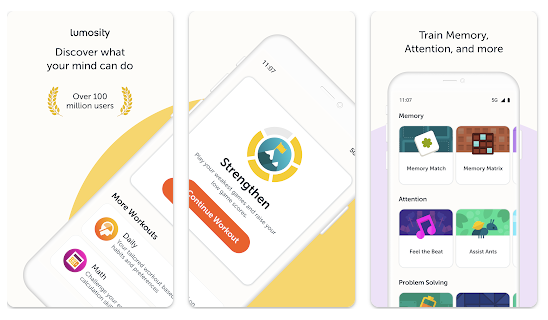
- Lumosity: A popular platform of short brain games designed to improve memory, attention, flexibility, and problem-solving.
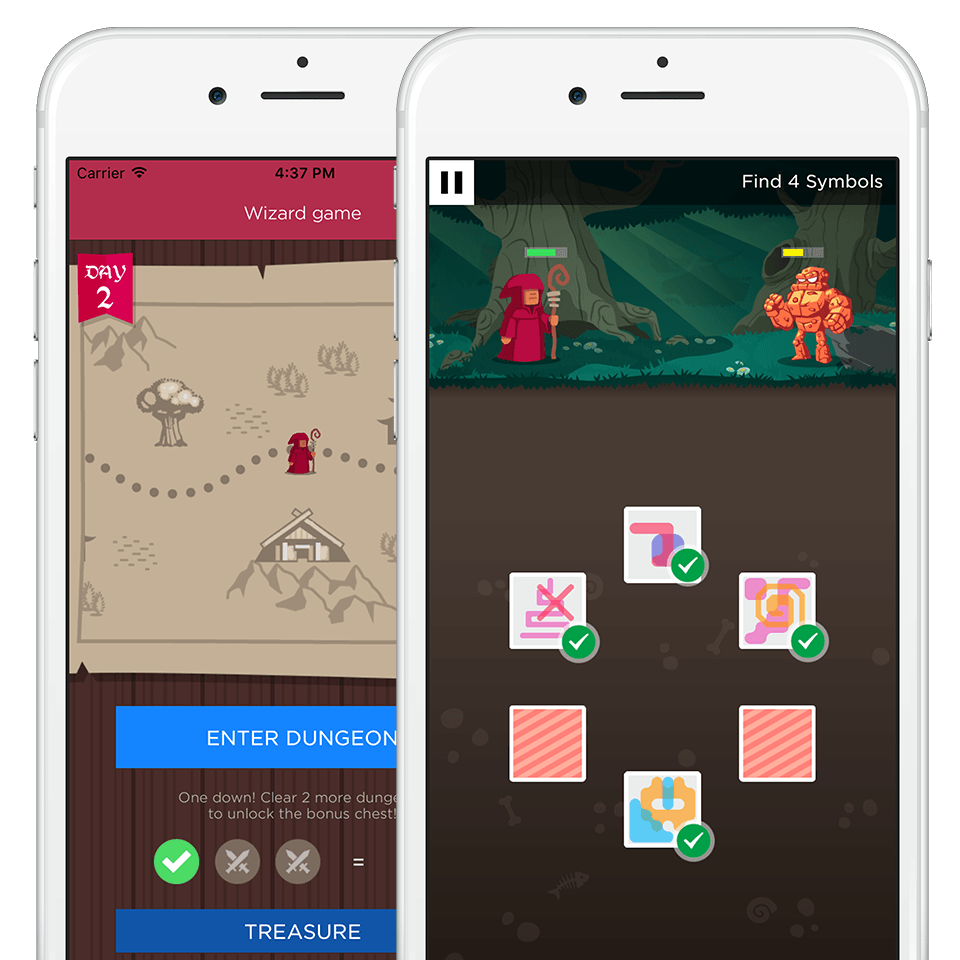
- Peak: Offers over 45 games targeting different cognitive skills and adapts to your performance.
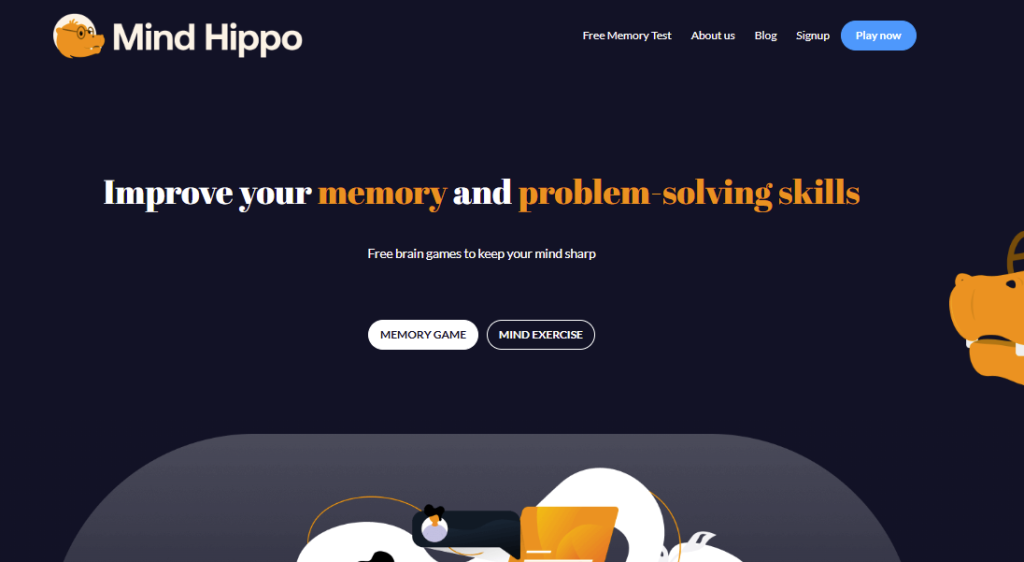
- Mind Hippo: A free, web-based brain training platform that focuses on memory and problem-solving games you can access on any device. Its activities are designed to be quick and engaging, making them easy to fit into brief breaks.
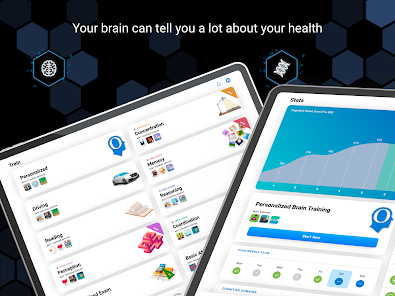
- CogniFit: Delivers personalized cognitive workout plans based on assessments and feedback.
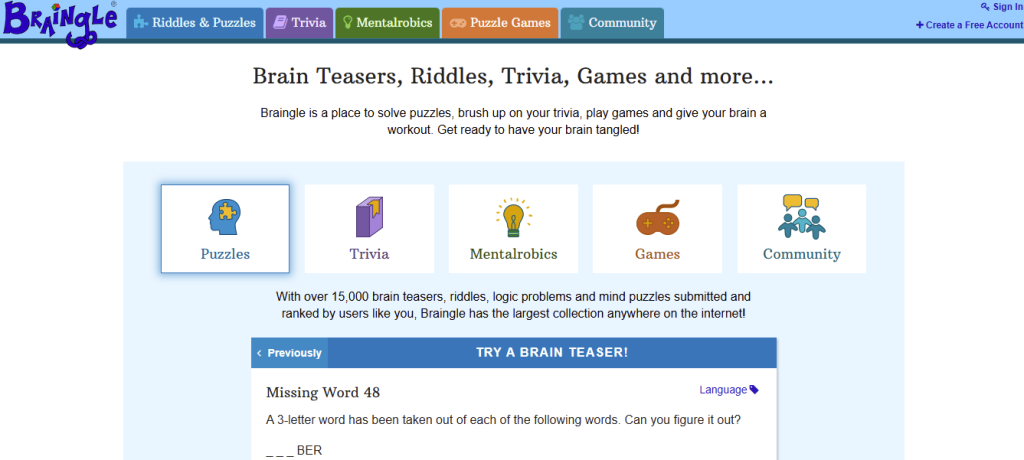
- Braingle: A vast library of brain teasers, riddles, and interactive puzzles for leisurely mental engagement.
- Journaling to Reduce Cognitive Load
When your brain feels cluttered, putting thoughts on paper acts like clearing out an overloaded inbox. Journaling helps reduce cognitive load by externalizing thoughts, plans, worries, and reminders.

This frees up working memory, a.k.a. the mental space your brain uses to temporarily hold information. When that space is less crowded, you experience less fatigue and more clarity.
The benefits include:
- Better emotional regulation
- Reduced rumination
- Improved planning and decision-making
A simple journaling routine could look like setting priorities and intentions in the morning, noting any stressors, successes, or lessons midday, and reflecting on the day’s wins and letting go of what is irrelevant at night.
Even three to five minutes can create mental space and reduce background chatter that drains your attention. The act of writing itself slows racing thoughts, acting as a reset button that refreshes your cognitive cushion.
- Music & Rhythmic Engagement
Music is a powerful mood and cognitive modulator. It can calm your nervous system, boost motivation, and shift your emotional state, all without requiring strenuous mental effort. Scientific studies show that music influences mood, modulates neurotransmitter systems associated with mood and reward, and can improve memory recall.

Incorporate music in these ways:
- Listening to calming playlists during breaks
- Playing a musical instrument
- Drumming or rhythmic movement
The key is choosing music that suits your goal: ambient tones for relaxation or rhythmic beats for gentle engagement. Music can help your brain cope with stress in a restorative way rather than draining it. Playing regularly helps your brain enter a relaxed but alert state.
- Language Learning or Light Reading
Engaging the brain with new words or stories gives your cognitive processes a fresh focus. Research on reading and language acquisition indicates that both can enhance memory, mental flexibility, and verbal skills.

Low-pressure learning (such as casual language apps or light reading) provides novel stimulation without causing exhaustion.
A few ways to use this:
- Read fictional short stories or essays
- Practice a language app for five minutes
- Flip through poetry or interesting articles
Engaging with new language patterns activates memory circuits and gently challenges your brain. These tasks are stimulating but not overwhelming, making them ideal for times when you want to refresh rather than deplete your attention.
Creating a Daily Routine to Combat Mental Fatigue
The best outcomes come from consistency, not intensity. Think of your mental energy like a battery. You recharge during restful activities and use energy during demanding tasks. A balanced routine helps keep that battery from running too low.
Here’s how to structure it:
- Morning activation: Start with a short meditation or breath-focused exercise to set a calm tone. Clarify your priorities in your journal to support mental organization.
- Midday reset: Take short breaks for a nature walk or a quick brain game like Mind Hippo to refresh attention and reduce midday slump.
- Evening wind-down: Use music or light reading to signal to your brain it is time to relax and release work tension.
As you build this, watch for signs you need a break. It could stem from difficulty sustaining attention, irritability, impatience, errors on simple tasks, or feeling overwhelmed.
These cues signal depleted cognitive resources. When you notice them, pause and engage in one of the exercises above. Over time, these habits not only reduce mental fatigue in the moment but also build resilience against future cognitive drain.
Frequently Asked Questions (FAQs)
- How long should I practice these exercises daily?
Aim for 10-20 minutes of practice each day to see consistent benefits. Even brief three- to five-minute breaks throughout the day can improve focus and mental clarity. The key is regularity. Short, frequent sessions often outperform long but infrequent ones.
- Can calming brain exercises replace sleep?
No, calming brain exercises cannot replace sleep because rest is essential for memory consolidation and brain recovery. These exercises help refresh mental focus but do not restore energy as effectively as sleep. Think of them as supplements to, not substitutes for, a healthy sleep routine.
- Is there scientific evidence that brain training improves cognition?
Yes, research shows that structured cognitive exercises can strengthen working memory, attention, and processing speed over time. Studies from institutions like the National Institutes of Health support the role of consistent mental stimulation in promoting neuroplasticity. While results vary by individual, most participants report improved mental agility after several weeks of practice.
- How quickly will I notice improvements?
You may feel calmer and more focused after just a few sessions, especially with mindfulness or breathing practices. However, cognitive and emotional benefits build gradually with consistency. Most people notice clearer thinking and reduced fatigue within two to four weeks of regular use.
- Are these exercises suitable for all ages?
Yes, these exercises can be adapted for any age group, from children to older adults. The activities’ intensity and type can be adjusted depending on ability, preference, and attention span. Because they are gentle on the mind and body, they are safe and effective across generations.
Final Thoughts
Mental fatigue is one of the most overlooked barriers to productivity and emotional well-being today. It can quietly drain focus, creativity, and motivation until even simple tasks feel heavy. The good news is that your brain responds remarkably well to intentional recovery, and that’s where calming brain exercises make a real difference.
Whether you start your morning with a few deep breaths, journal during lunch, or unwind in the evening with a quick brain training game, every small practice counts. These moments of conscious rest improve clarity, patience, and emotional balance.
If you’re ready to strengthen your mental endurance, explore more science-backed insights and interactive exercises on Mind Hippo.